CALL NOW: 714 535 0800
TEL: 714 535 0800

A Rich Heritage and Global Reputation: Limestone of Portugal

Limestone

A Rich Heritage and Global Reputation: Limestone of Portugal
Daria Ameri

The Enduring Elegance of Portuguese Limestone

When you think of Portugal, your mind might wander to the rich aroma of Port wine, the unique texture of cork, or the sweet delight of a pastel de nata. You might picture sun-drenched beaches along the Algarve coast. Yet, beneath the surface of this vibrant culture lies another national treasure, one quarried from the earth itself: Portuguese limestone. Revered globally by architects and designers, this exceptional natural stone embodies a standard of quality and beauty that places it among the world’s finest building materials.

What is Limestone? A Simple Explanation
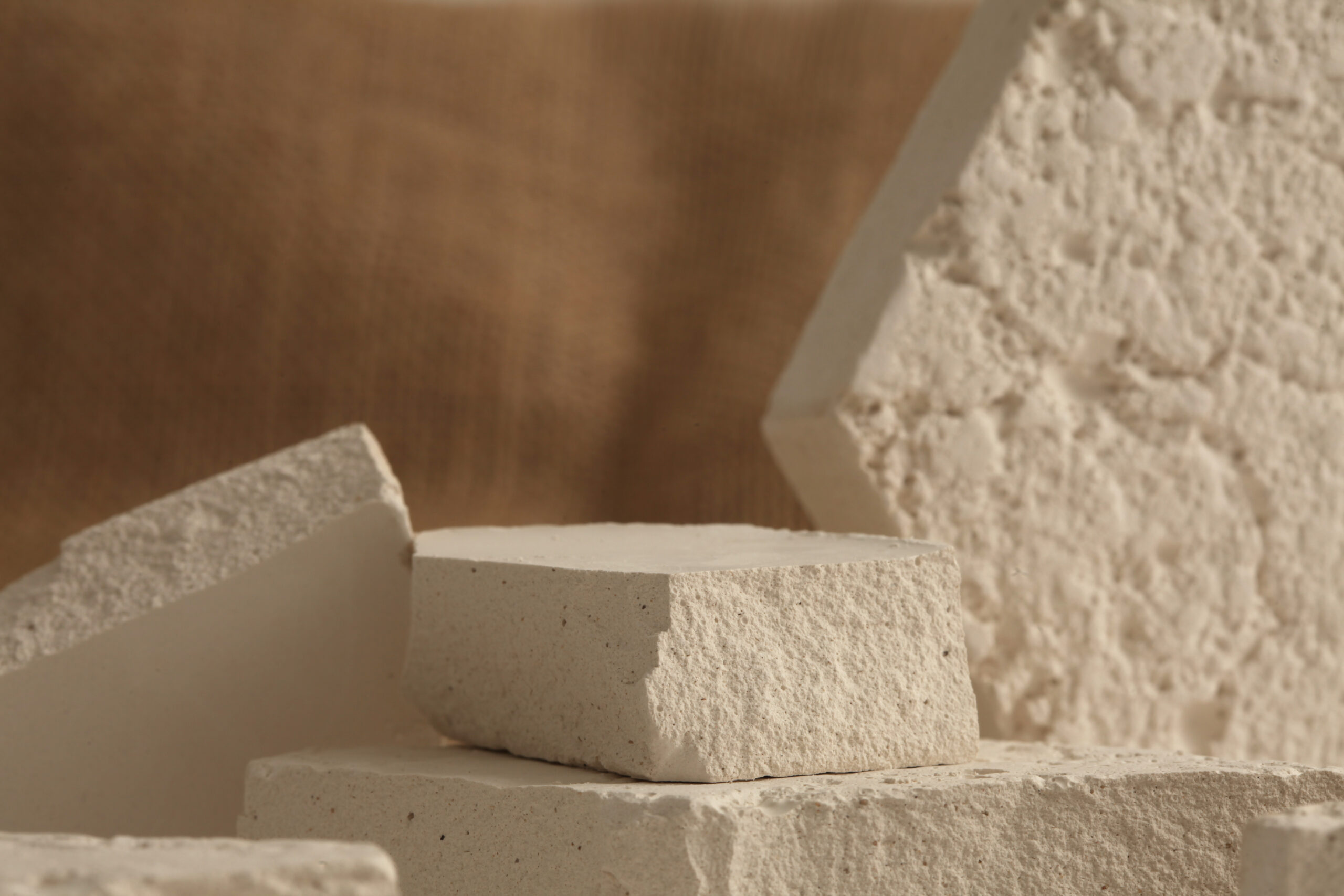
At its core, limestone is a sedimentary rock with a story millions of years in the making. It forms primarily on the floor of warm, shallow seas. The process begins with the accumulation of shells, coral, and other skeletal fragments from marine organisms. Over immense spans of time, these calcium carbonate-rich materials are compacted by the weight of overlying layers and cemented together, creating the solid, durable stone we know as limestone. This organic origin is often visible in the subtle fossils and veining that give each slab its unique character.

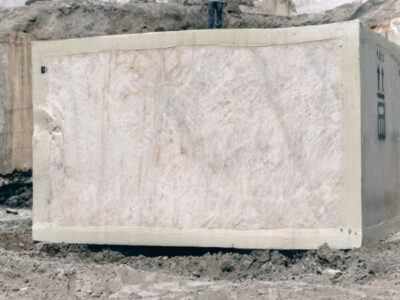
Limestone Quarry

A Legacy Etched in Ancient Stone

Long before modern quarrying techniques, ancient civilizations recognized the inherent strength and workability of limestone. The Egyptians used it to construct some of humanity’s most iconic structures. Imagine the scene: thousands of workers quarrying massive blocks of Tura limestone, then transporting them along the Nile. This fine-grained, white stone was used for the outer casing of the Great Pyramid of Giza, creating a smooth, polished surface that would have gleamed brilliantly under the desert sun, a testament to limestone’s timeless appeal.

From Medieval Grandeur to Modern Masterpieces

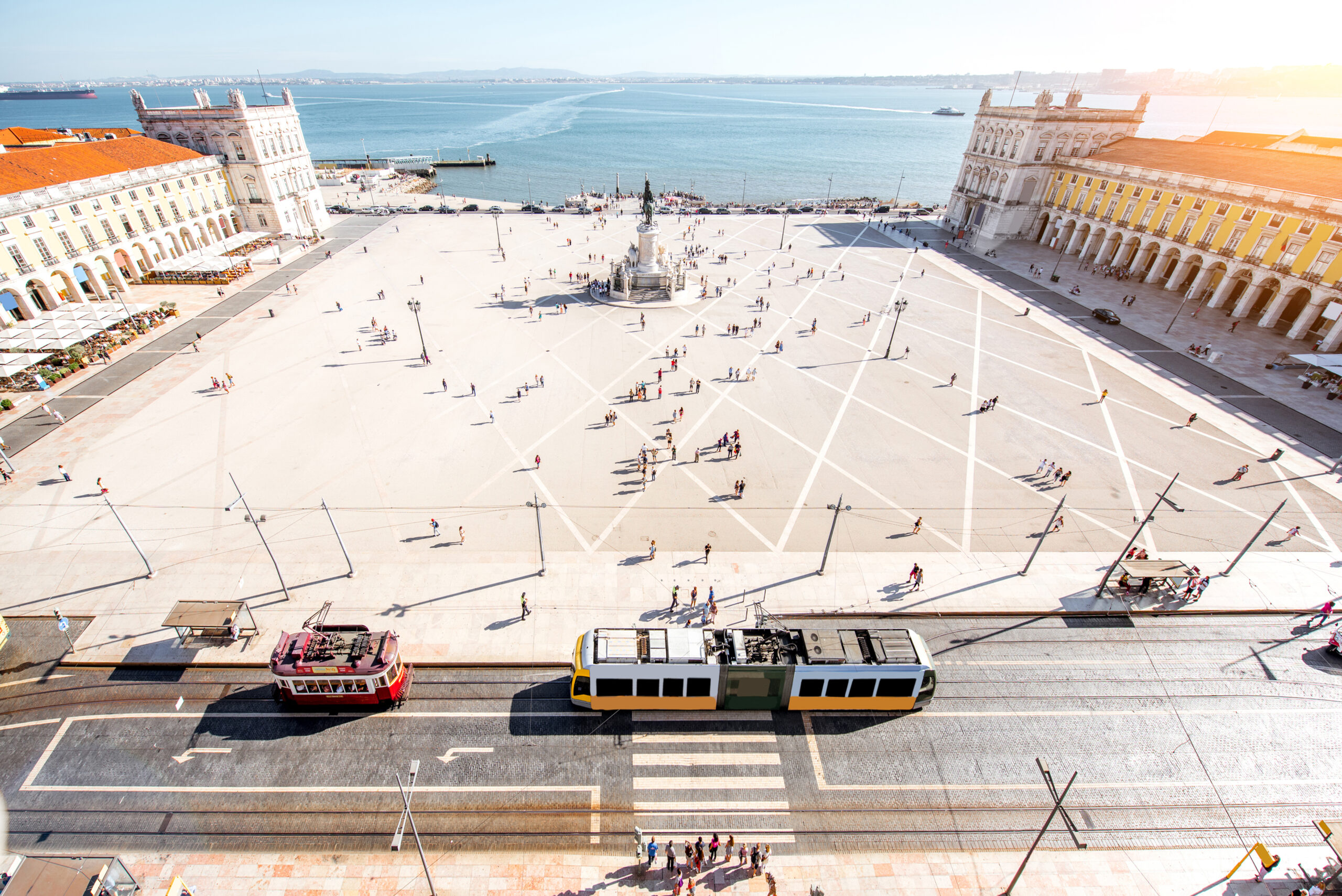
As architectural styles evolved, limestone remained a material of choice for its elegance and resilience. In Portugal, its presence is woven into the very fabric of the nation’s history. A walk through Lisbon offers a stunning showcase. Look no further than the magnificent Praça do Comércio, one of Europe’s most impressive squares. The grand, arcaded buildings that frame the plaza are constructed from a distinct Portuguese limestone, as is the monumental Arco da Rua Augusta that stands as its triumphant gateway. This Lioz limestone, a national treasure, anchors these structures with a sense of permanence and sophisticated grace, connecting medieval heritage with modern urban life.

The Versatile Choice for Contemporary Design

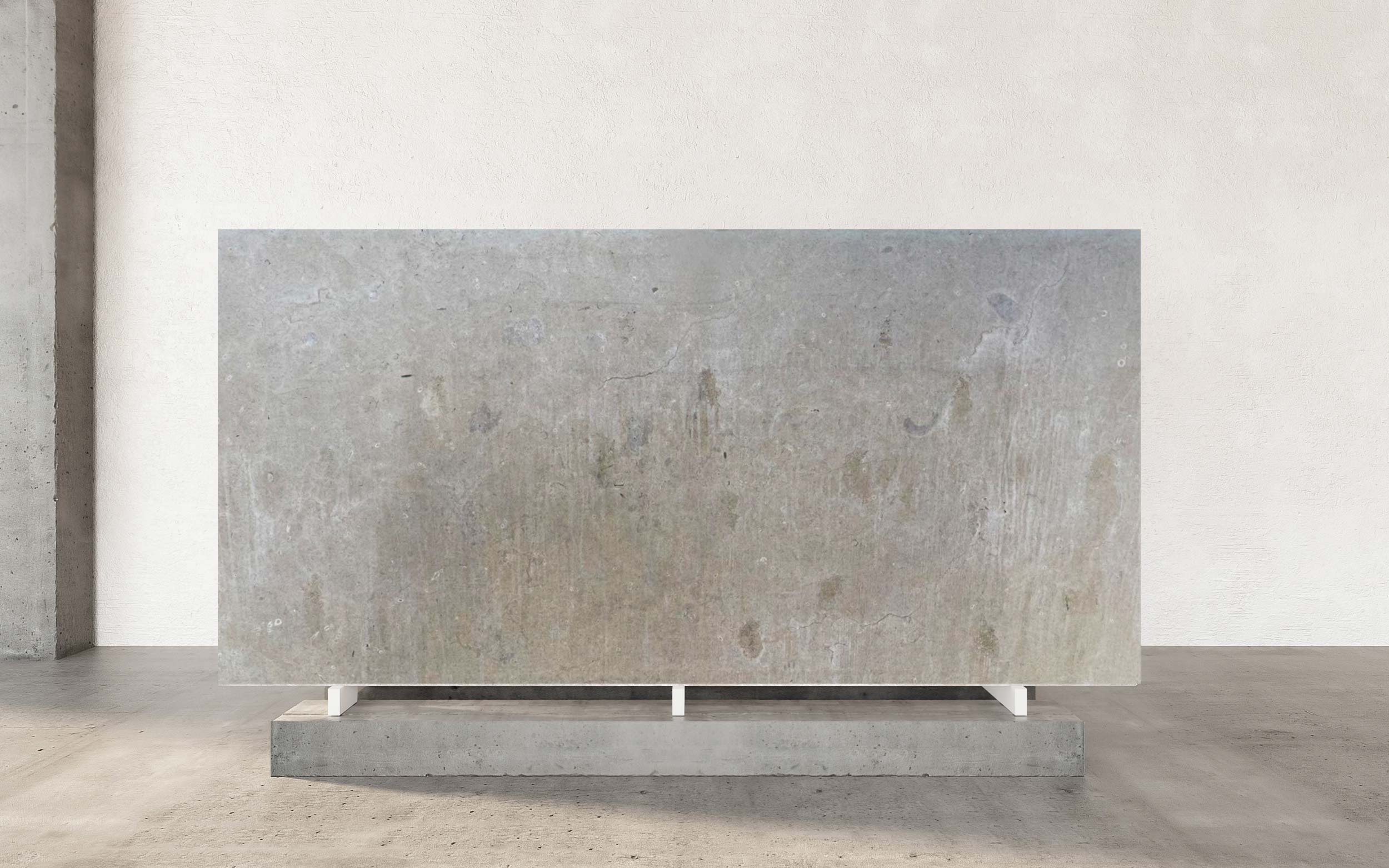
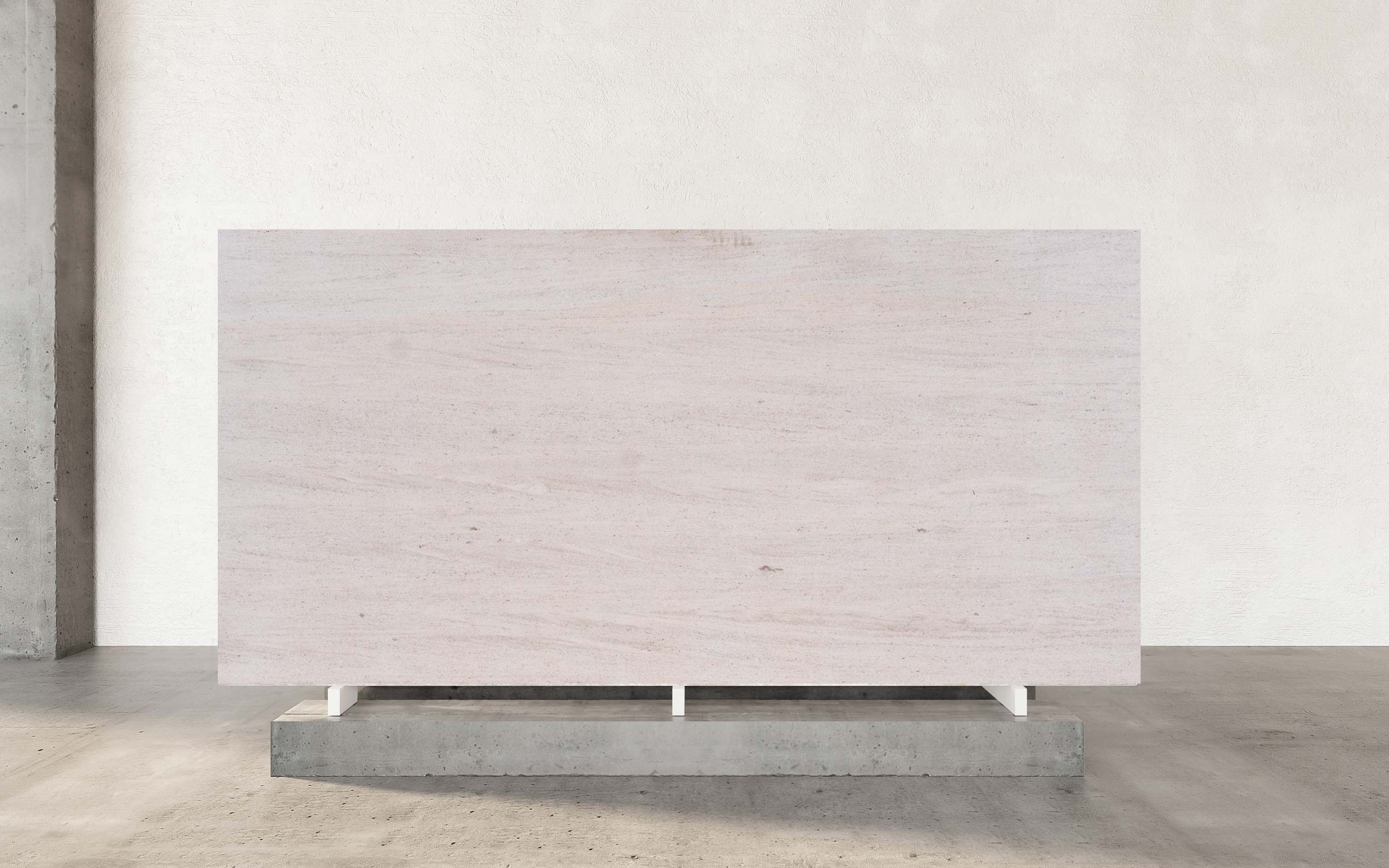
Today, the appeal of Portuguese limestone extends far beyond historical monuments. Its consistent quality, combined with a diverse and subtle color palette ranging from warm creams to soft grays, makes it a favored material for contemporary projects worldwide.

One of its most prominent uses is for exterior cladding. Its natural durability provides a protective and beautiful façade that withstands the elements with elegance. The stone’s aesthetic versatility allows it to complement both sleek, minimalist designs and more traditional architectural forms.

Indoors, Portuguese limestone is a superior choice for flooring. Its smooth, cool surface brings a sense of refined calm to interior spaces, from residential living areas to high-traffic commercial lobbies. Beyond floors and walls, it is also crafted into countertops, staircases, and bespoke decorative elements, offering a seamless and luxurious finish to any project. Its ability to be honed, polished, or brushed provides designers with a range of textures to realize their creative vision, proving that this ancient stone is perfectly suited for the demands of modern design.

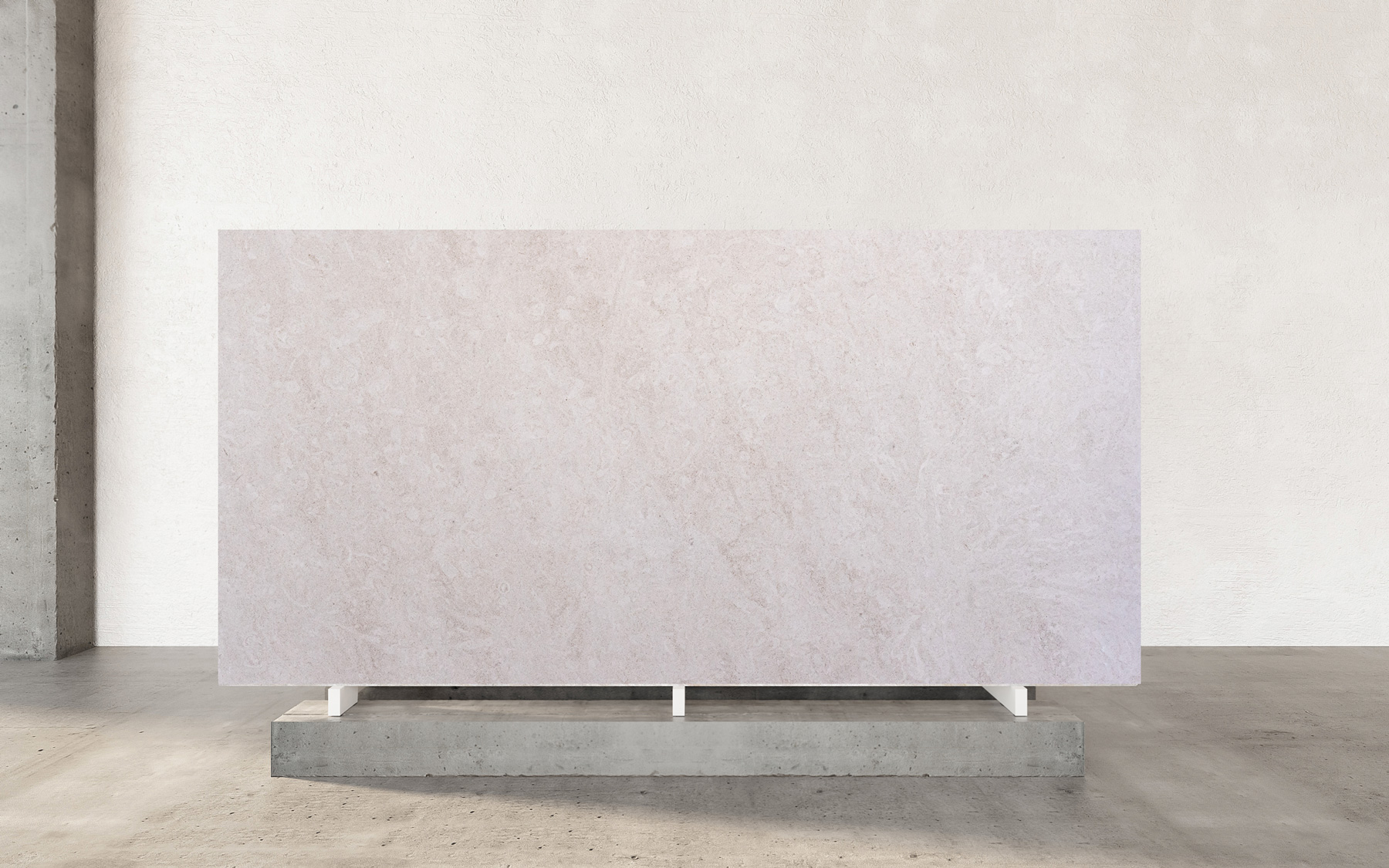
A Closer Look: Notable Portuguese Limestone

0 Comments

Leave a reply

Your email address will not be published. Required fields are marked *

*

/* Max Mega Menu * Close the mobile menu as soon as a menu item is clicked */ jQuery(".max-mega-menu").on("after_mega_menu_init", function() { jQuery("li.mega-menu-item:not(.mega-menu-item-has-children) > a.mega-menu-link").on('click', function(e) { jQuery(".mega-menu-open").removeClass("mega-menu-open"); jQuery(".max-mega-menu").css('display', ''); }); });